March 2016, my first time in Playa del Carmen. The moment I stepped off the bus, the town hit me like a shot of mezcal—intense, raw, and unforgettable. The air was heavy with salt and the aroma of street tacos, the sound of cumbia blaring from every other corner. Playa was alive, unapologetically vibrant, and, at the same time, holding onto a threadbare kind of edge that whispered, “Watch yourself.”
I loved it.
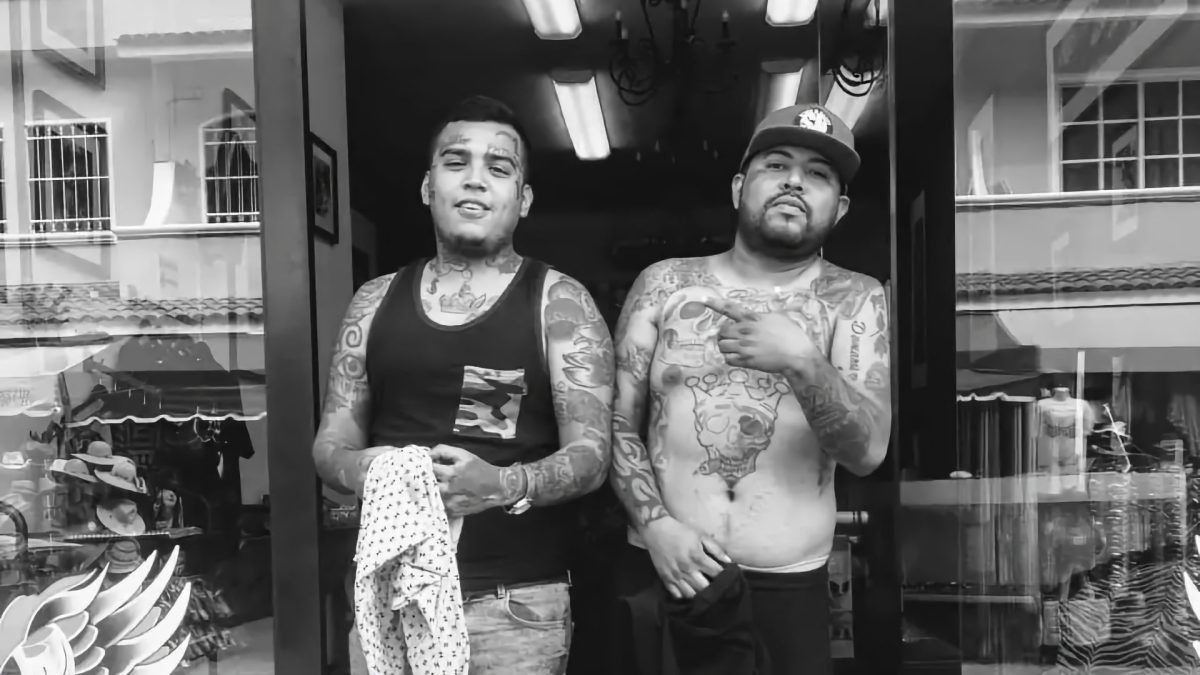
On the last day, I decided I wanted more than just memories. I wanted something etched into me—a permanent memento of this mad little slice of paradise. That’s how I found myself walking into Playa Ink, a tattoo shop that’s still standing today, a defiant reminder of the town’s grit. The place smelled like antiseptic and leather, with the hum of tattoo guns cutting through the silence. Behind the counter stood my artist, José. He was a walking contradiction—sweet as a choir boy but inked up like a cartel hitman. Eyebrows to toes, the man was a canvas of skulls, saints, and things you didn’t ask about.
I told him what I wanted: “Carpe Diem,” a reminder to live fully, even in the mess. José smiled and nodded. The guy had the lightest touch for someone whose hands looked like they’d been in a hundred fistfights. He didn’t talk much, but when he did, his voice had a softness that didn’t match the ink on his neck or the glint in his eye. It was hard not to wonder about the stories behind those tattoos. I left the shop that day with my new ink and a strange admiration for the man who gave it to me.
Fast forward to February 2020. Playa had grown, gentrified in parts, but it still clung to its chaotic charm. I walked back into Playa Ink, this time looking for a piece of its Mayan soul. I wanted a tattoo of a pyramid, something to connect me to the ancient energy of the place. “Is José here?” I asked the guy behind the counter, who was busy cleaning his equipment. He looked up, his face darkening, and told me that José was dead. Shot. A cartel thing.
The news hit me harder than I expected. I remembered the baby-faced smile, the steady hand, the way he called me hermano chino when I thanked him. It was hard to reconcile the man I met with the headline-worthy tragedy of his death, but maybe that was the real José—a man caught between two worlds. Fifty bucks for a small tattoo wasn’t enough, I guess, to keep him away from the allure of fast money and the brutal culture of violence that came with it.
I got my pyramid tattoo that day, from a different artist. But it wasn’t the same. I left the shop feeling more than just the sting of fresh ink. It was a sadness, a realization that some stories don’t end well, no matter how sweet the protagonist seems at first glance. Playa del Carmen is beautiful, but it’s also rough, dangerous even, in the way only paradise can be.
My ink is a reminder—of José, of the town, of living fully but knowing the risks. Carpe Diem doesn’t mean living recklessly. It means living with intention, with eyes wide open to both the beauty and the danger of the world around you.